


When we talk about the birth of this country, we tend to compress it into a single moment.
A single decision.
A single document.
A single act of courage.
But that’s not how it happened.
Not even close.
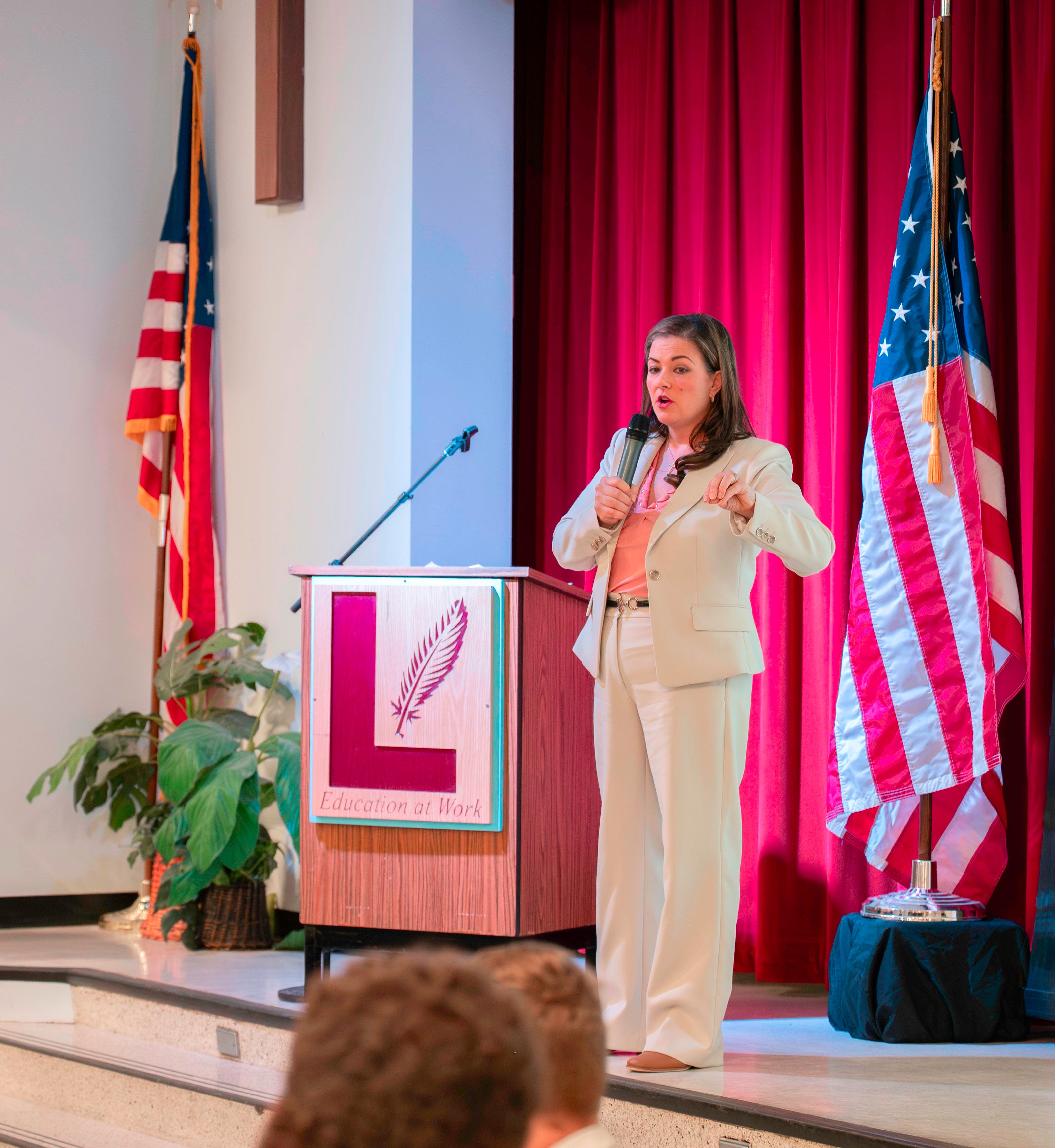
Just a few nights ago, I spoke at a Lincoln Day Dinner in Armstrong County, stood in front of a room full of people, and talked about something that often gets overlooked in our telling of the American story:
👉 Pennsylvania didn’t just participate in independence…
…it helped decide it.
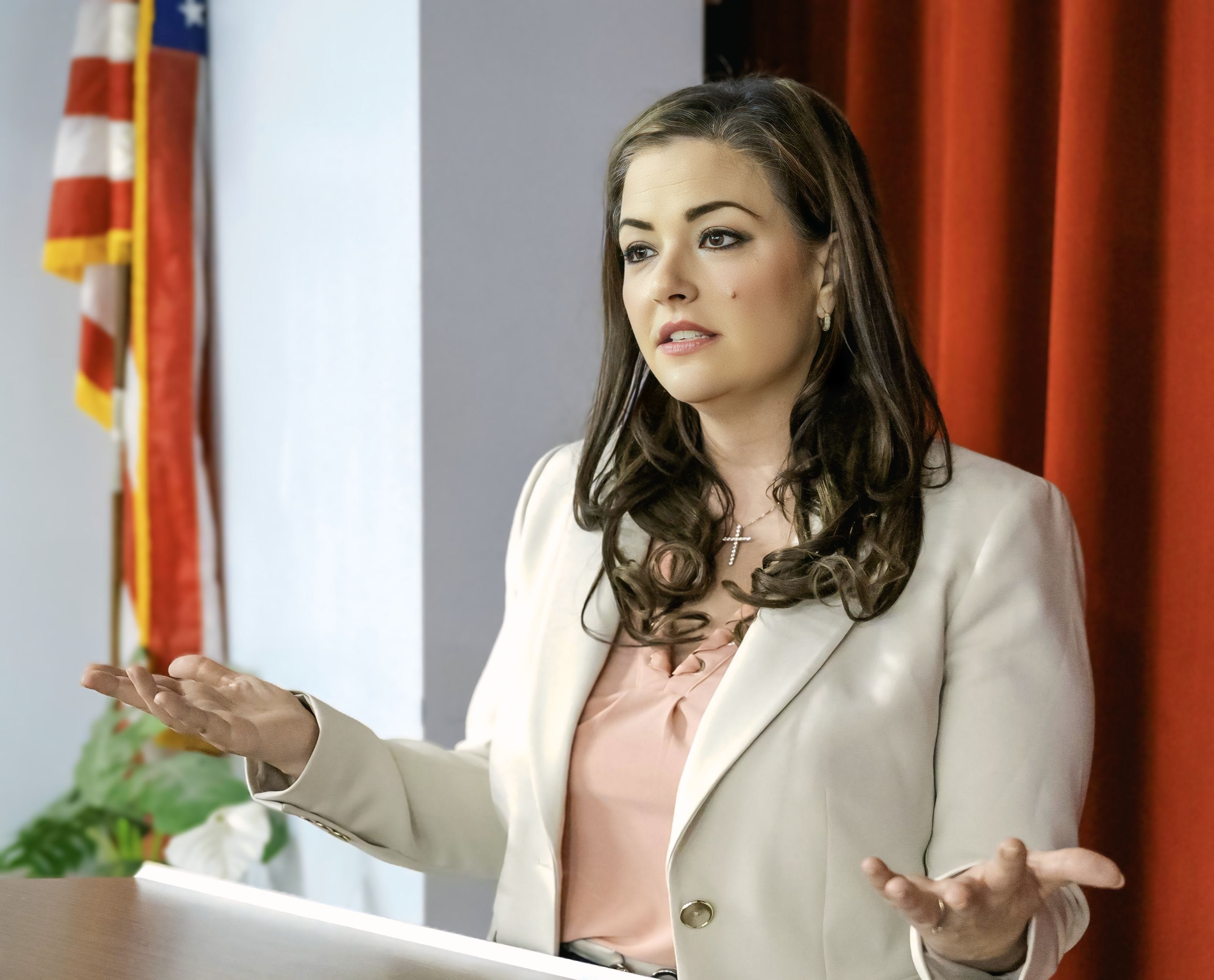
Standing in that room, talking through the tension, the uncertainty, and the responsibility those delegates carried…
I couldn’t help but think:
👉 They didn’t know how the story would end.
They were making decisions in real time—under pressure, with incomplete information, and with everything on the line.
And yet… they acted anyway.
The vote for independence wasn’t unanimous at first. Colonies were divided. Delegates were hesitant. The outcome was uncertain.
And one of the most pivotal moments came when a man named Caesar Rodney mounted his horse in Dover, Delaware…
…and rode 80 miles through the night to Philadelphia.
He arrived exhausted, mud-soaked, and just in time to cast the deciding vote that pushed Delaware in favor of independence.
That vote mattered.
But here’s what we forget:
👉 That ride didn’t happen in a vacuum.
It happened over a year after the first sparks of revolution had already been lit.
Because before Caesar Rodney rode for a vote…
another rider had already ridden for a warning.
His name was Paul Revere.
On the night of April 18, 1775, Revere set out on what would become one of the most famous rides in American history.
Not to declare independence.
Not to win a war.
But to deliver a message:
👉 The British were coming.
Or more accurately…
👉 The “Regulars” were on the move.
They weren’t shouting about freedom yet.
They weren’t signing documents.
They were warning each other.
Preparing.
Getting ready for what they knew was coming.
And the very next morning…
Shots were fired at Lexington and Concord.
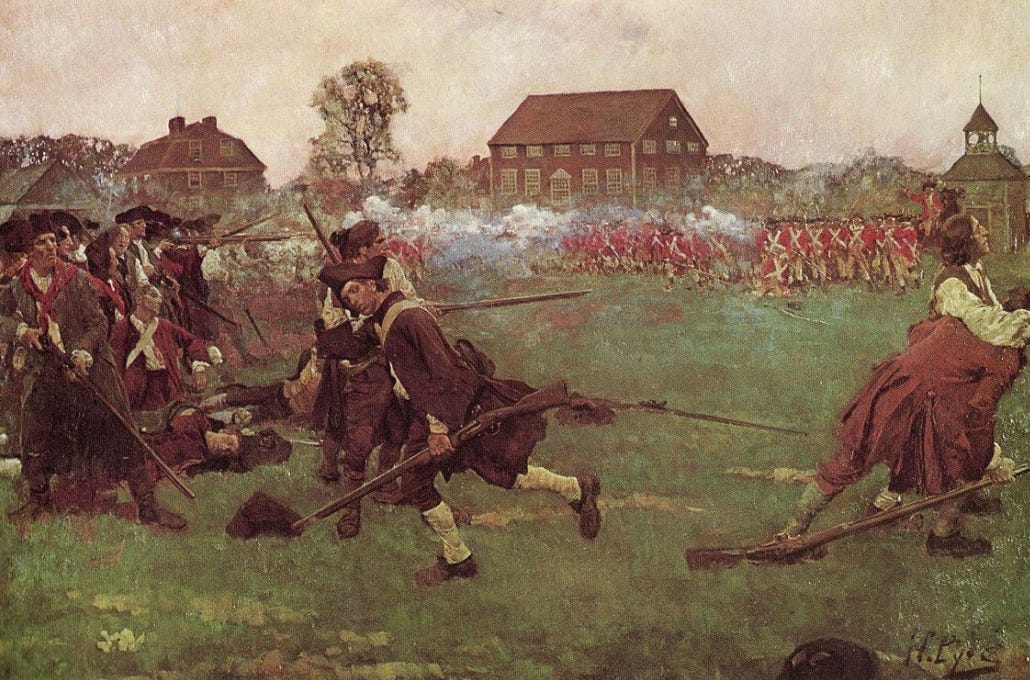
The Revolutionary War had begun.
But here’s the part that matters for us today:
👉 Independence did not come the next day.
It didn’t come the next month.
It didn’t even come the next year.
Let’s slow this timeline down for just a moment:
April 1775 → The first shots are fired
July 1776 → The Declaration of Independence is signed
1783 → The Treaty of Paris officially ends the war
That’s:
👉 Over a year from the first shot to the declaration
👉 Eight years from the first shot to victory
And in between?
Uncertainty.
Disagreement.
Setbacks.
Sacrifice.
There were moments when it looked like it wouldn’t work.
Moments when people disagreed on strategy.
Moments when leaders hesitated.
Moments when the outcome was anything but guaranteed.
But they didn’t quit.
They didn’t expect instant results.
And they didn’t confuse the start of the fight with the end of the mission.
Why Patriots’ Day Still Matters
Patriots’ Day isn’t just about Paul Revere.
It’s about what his ride represents.
It was a beginning.
A signal.
A moment where ordinary people realized:
👉 Something is happening… and we have a role to play.
Revere didn’t finish the fight that night.
Rodney didn’t finish it with his vote.
And the men who signed the Declaration didn’t finish it with their signatures.
Each moment was a step.
Each act required courage.
And each one depended on people who were willing to do their part…
even when the outcome wasn’t immediate.
A Reminder for Us
We’re living in a time where everyone wants resolution now.
We want the vote to flip overnight.
The system to be fixed in one cycle.
The problems to disappear with one decision.
But history doesn’t work like that.
And neither does self-government.
If the founding generation had expected immediate victory…
they never would have made it past Lexington.
If they had quit after a year…
there would have been no Declaration.
If they had grown weary after setbacks…
there would have been no Treaty of Paris.
The Real Lesson of the Ride
Paul Revere’s ride wasn’t the victory.
It was the beginning of responsibility.
A call to action.
A moment that said:
👉 Pay attention.
👉 Get ready.
👉 Do your part.
And that same call still exists today.
Not for one night.
Not for one vote.
But for the long, steady work of preserving what was built.
Because freedom was never won in a moment.
It was built over time…
by people who showed up when it mattered.
This is a great article Toni. You are right - the only way to win this battle is for all of us to stick with it, like our forefathers.