


One of the most valuable lessons I’ve learned in my 47 years of existence so far, is the difference between admiring a leader versus building up an idol… and I didn’t learn it in the political arena.
I learned it in the direct selling industry.
For twenty years before politics, my husband and I built a business that completely changed our lives, definitely in more good ways than bad. It introduced us to personal development and leadership training… entrepreneurship and the idea that ordinary people could accomplish extraordinary things.
While I’m viewing that experience through the rearview mirror these days, I’m still incredibly grateful for those years.
Many of the habits I learned there shape my life today.
But looking back, I also see all the mistakes I made that I don’t want to ever repeat.
Without realizing it, I slowly turned the powerful tool of self-help into something it was never meant to be… an idol.
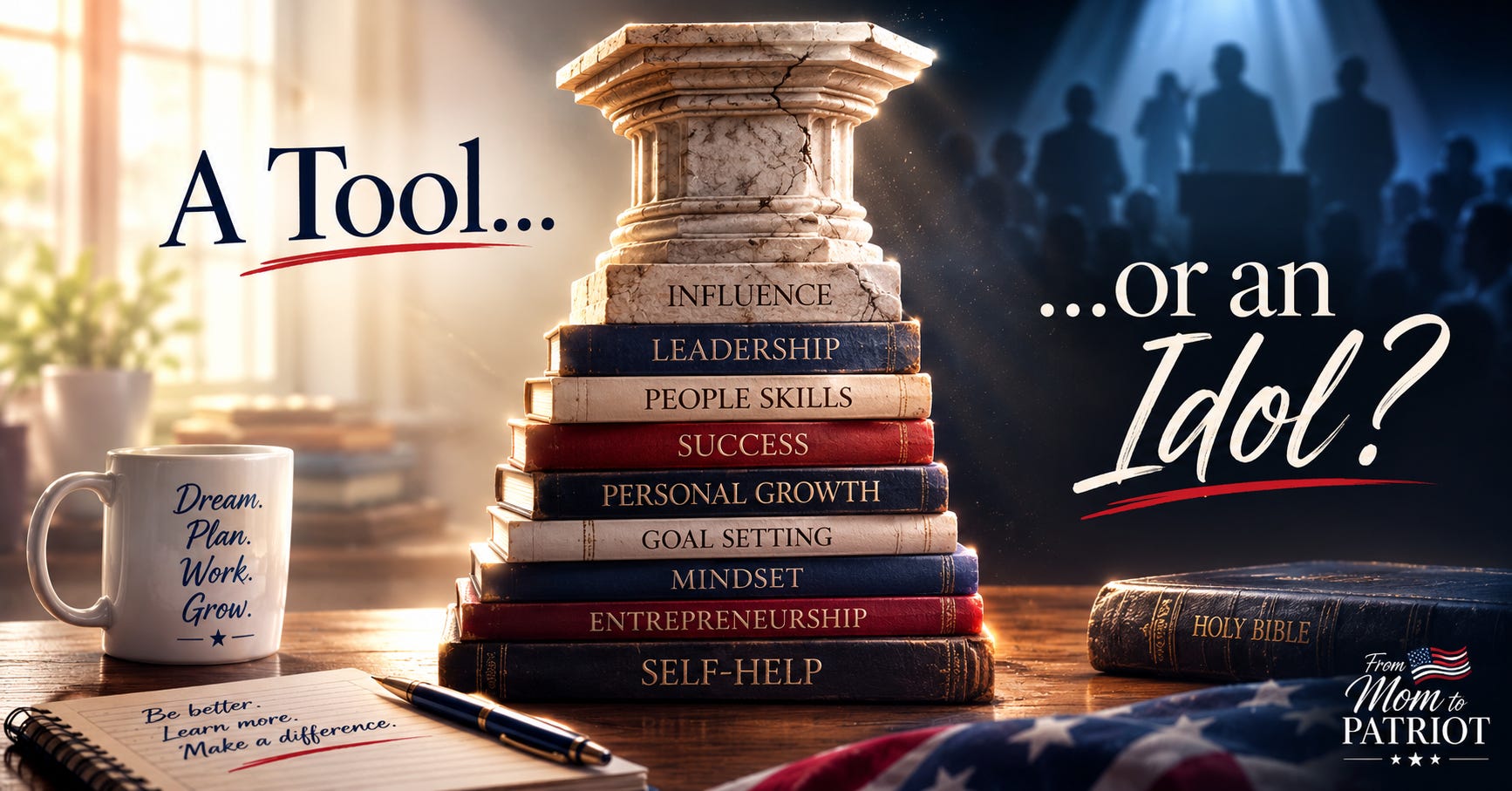
Not in the sense that I worshipped motivational speakers or business leaders, but in the sense that I placed certain people on a pedestal. I assumed that because they were successful, they had somehow figured life out. Surely, they never argued with their spouse, misplaced their car keys, or ate cereal for dinner after a long day.
Looking back, I realize the problem wasn't those leaders. It was the pedestal I had built for them.
When the Pedestal Cracked
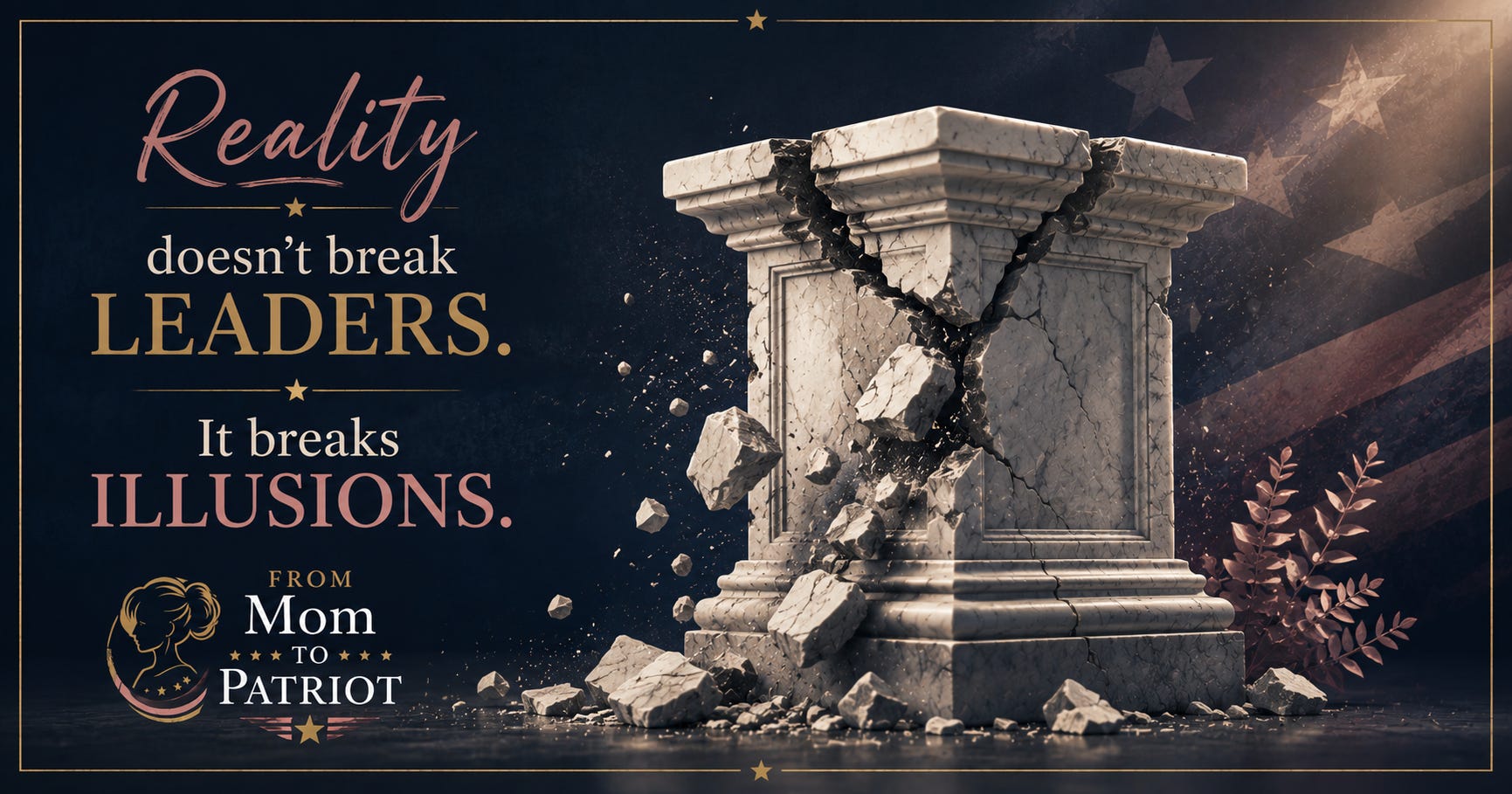
About ten years into our business, one of our favorite and most influential mentors left.
Eventually we learned why.
He had been battling a prescription drug addiction for years.
We had no idea.
Here was someone we admired deeply. Someone who had helped shape our thinking, challenged us to grow, and influenced thousands of people—including us.
Yet behind the scenes, he was fighting a battle that almost no one knew about.
I remember feeling disappointed and confused.
Even betrayed.
Not because he struggled.
But because I had convinced myself that someone I admired so much was somehow above struggling.
That realization was entirely my own doing.
He had never claimed to be perfect.
I had simply made him larger than life.
With hindsight being 2020, I realize that was my first encounter with what I now call the pedestal problem. The disappointment wasn't caused by his humanity—it was caused by my unrealistic expectations. I had built the pedestal, and when reality knocked it over, I blamed the person standing on it.
Politics Didn't Invent the Problem
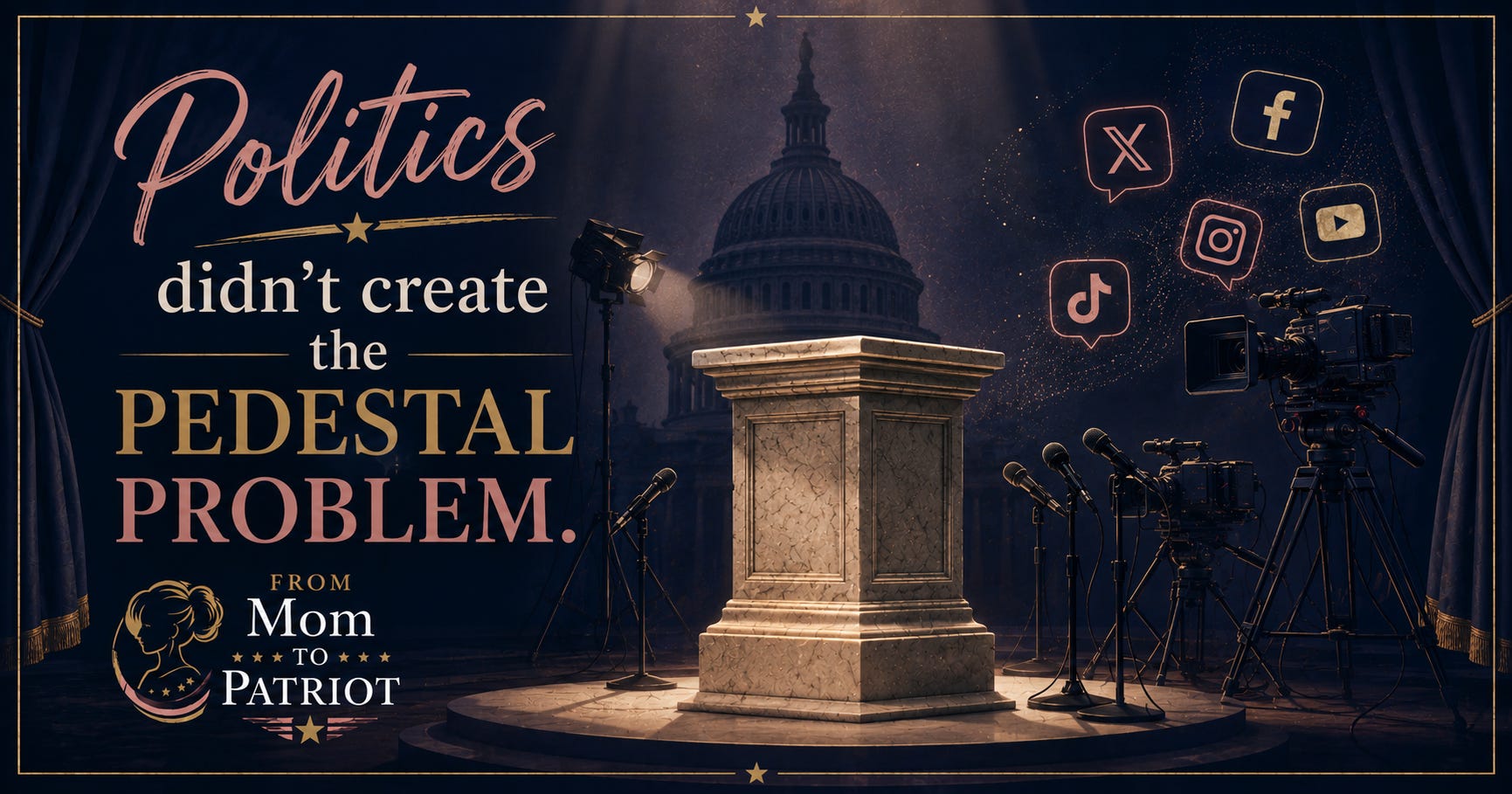
When 2020 arrived and I found myself unexpectedly stepping into election integrity work, I entered another world filled with influential leaders.
Some became close friends.
Some became mentors.
Some inspired me enormously.
Others eventually disappointed me.
Over the past six years, I’ve watched people I deeply respected make wise decisions...and poor ones.
I’ve watched heroes become villains depending on who was telling the story.
In politics, today's hero is tomorrow's traitor...usually by lunchtime on X.
But because of what I had experienced years earlier, I was better prepared.
I had already learned that leaders are still human.
Dinner with a President
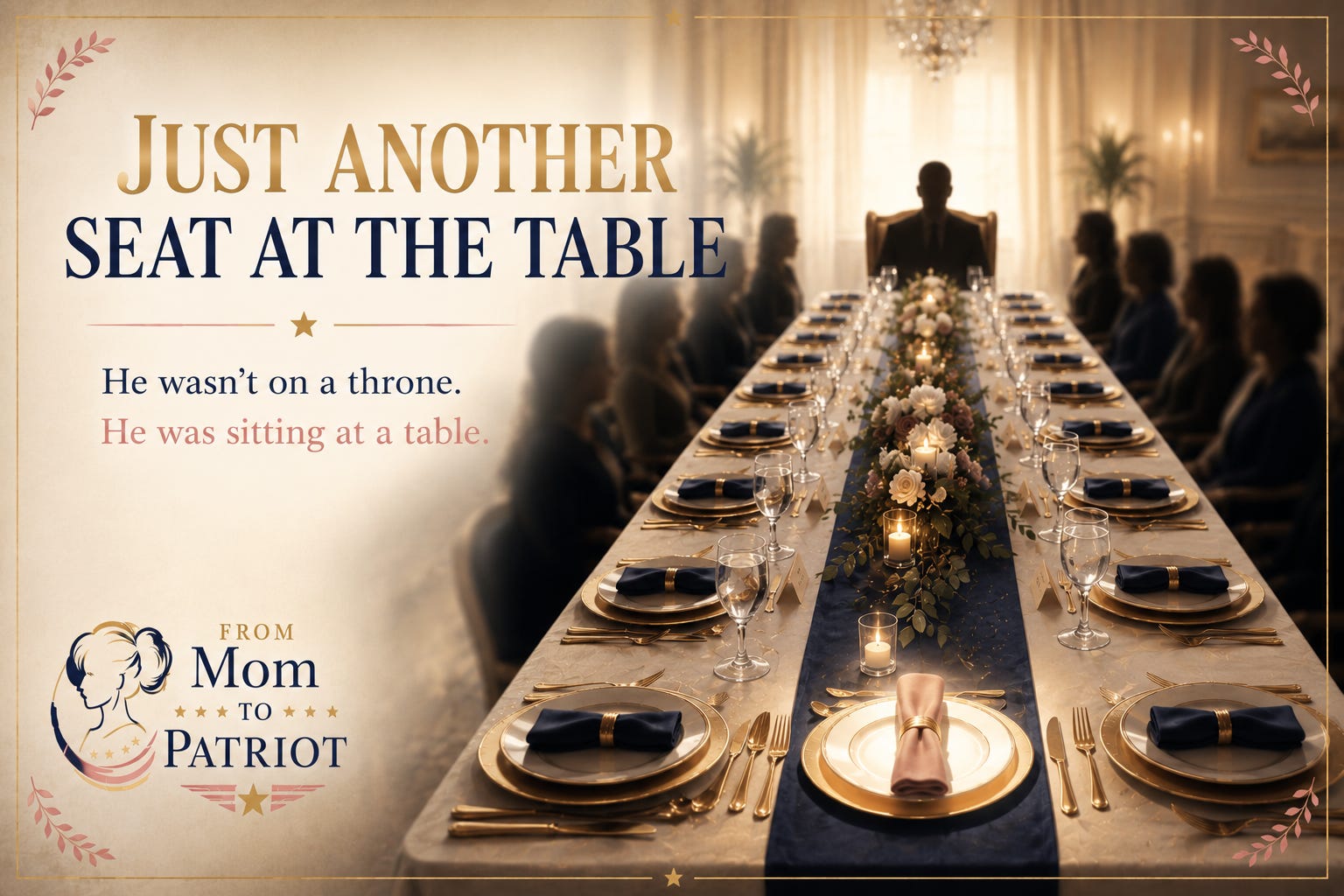
One experience especially reinforced that lesson.
In the summer of 2021, I was given the opportunity to sit right next to President Donald Trump during a dinner that he personally arranged for Audit The Vote PA at his Bedminster, New Jersey golf course.
Even writing those words still feels surreal.
In fact, if you'd told the engineer-turned-mom I was twenty years ago that one day she'd be having dinner with a President, I would've suggested you switch to decaf.
For years, like most Americans, I had only known him through television, speeches, debates, interviews, and social media.
When someone lives in the public eye that long, it’s easy to build an image of them that’s larger than reality.
But sitting across the table from him, I experienced something unexpected.
He wasn’t larger than life, walking around with dramatic music playing behind him. He didn’t glow. Angels didn’t sing.
He was just… a guy having dinner with us.
Friendly.
Down to earth.
Funny at times.
Thoughtful.
A husband.
A father.
A grandfather.
A man carrying responsibilities that very few people could ever imagine.
And yes...
A flawed human being.
Just like me.
Just like you.
Oddly enough, recognizing his humanity didn’t diminish my respect for him.
It actually deepened it.
Because respect built on reality is healthier than admiration built on illusion.
Trust vs. Idolatry
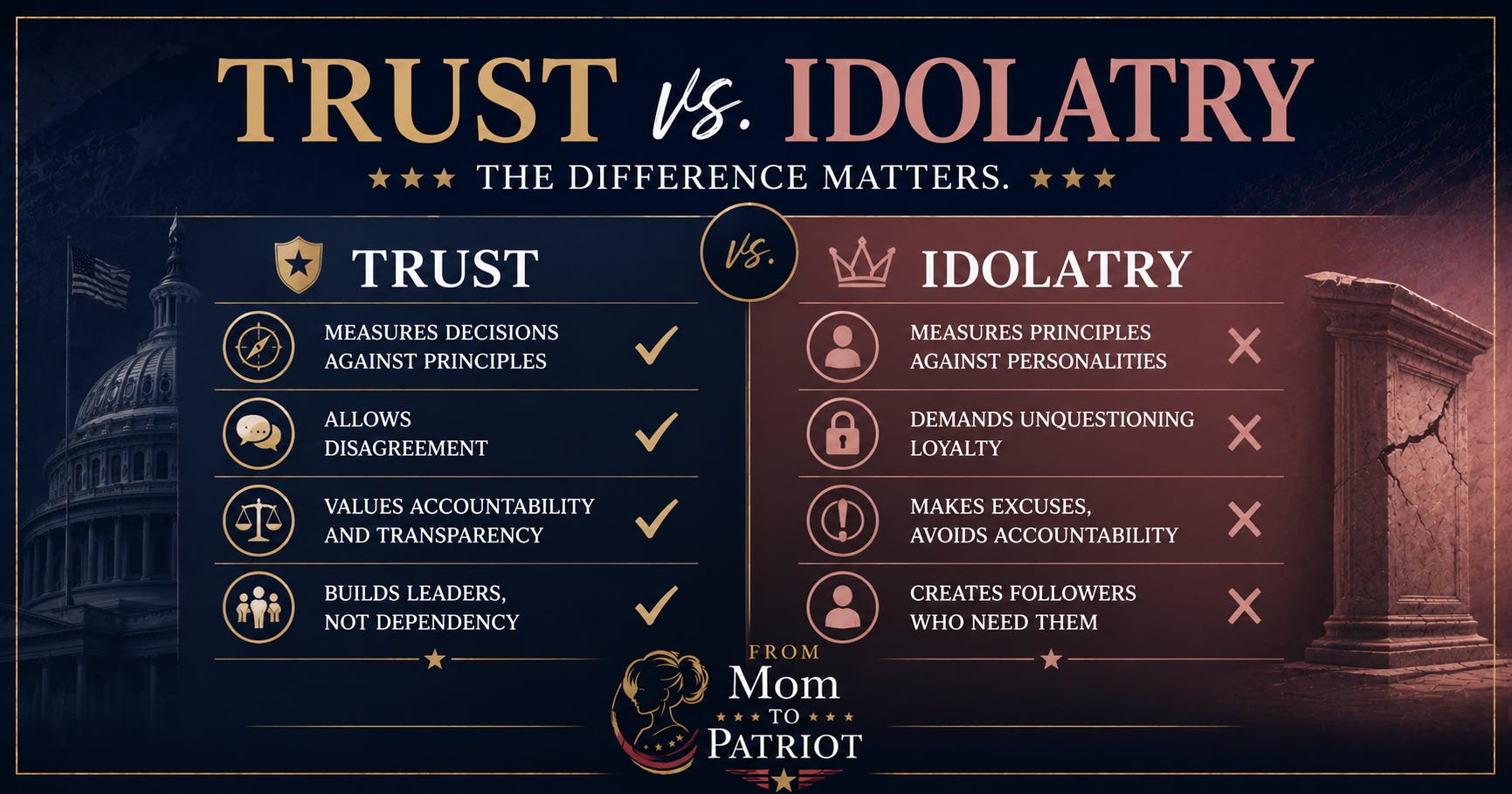
One of the greatest challenges facing our culture today is that we’ve forgotten the difference between trusting leaders and idolizing them.
Social media has convinced us that every public figure must either be the Messiah or the Antichrist.
Trust says:
“I believe this person is generally moving us in the right direction.”
Idolatry says:
“This person can do no wrong.”
Trust allows disagreement.
Idolatry demands unquestioning loyalty.
Trust measures decisions against principles.
Idolatry measures principles against personalities.
That’s a dangerous place to be.
Because eventually every leader will disappoint us.
Not necessarily because they’re corrupt or incompetent, but simply because they’re human.
If your favorite politician, pastor, podcaster, or pundit eventually disappoints you, congratulations.
You’ve just discovered they’re a member of the human race.
Education Is the Antidote

I’ve come to believe that one of the primary purposes of education is to protect us from idolatry.
The more history I study...
The more biographies I read...
The more I understand Scripture...
The more I realize that God has always used imperfect people.
Moses.
David.
Peter.
Paul.
Our Founding Fathers.
Every one of them accomplished remarkable things while still carrying flaws that God continued to refine.
Maybe that’s exactly the point.
Perhaps God never intended us to place our confidence in people.
Perhaps He intended leaders to point us toward timeless principles instead.
That’s what true edification does.
It builds people up.
It equips them to think.
It develops discernment rather than dependency.
A good leader doesn’t create followers who need them.
A good leader creates more leaders.
Thinkers, Not Followers
One of the greatest compliments I can receive today isn’t that someone agrees with everything I write.
It’s when someone says,
“You challenged me to think for myself.”
That’s what I hope to continue doing.
Not because I have all the answers.
I certainly don’t.
But because I’ve learned what happens when we confuse a leader with an idol.
That’s what the pedestal problem does.
It convinces us that loyalty means suspending our discernment.
We stop thinking, asking questions, and measuring ideas against truth.
The health of our Republic doesn’t depend on finding perfect leaders.
It depends on raising discerning citizens.
Citizens who can appreciate great leadership without expecting perfection.
Who can support someone without surrendering their own judgment.
Who can remain faithful to principles even when personalities inevitably fall short.
Because every leader eventually will.
They’re human.
Looking back, I realize my business mentor wasn’t the problem.
President Trump isn’t the problem.
The countless leaders I’ve met over the years aren’t the problem either.
The problem is the pedestal.
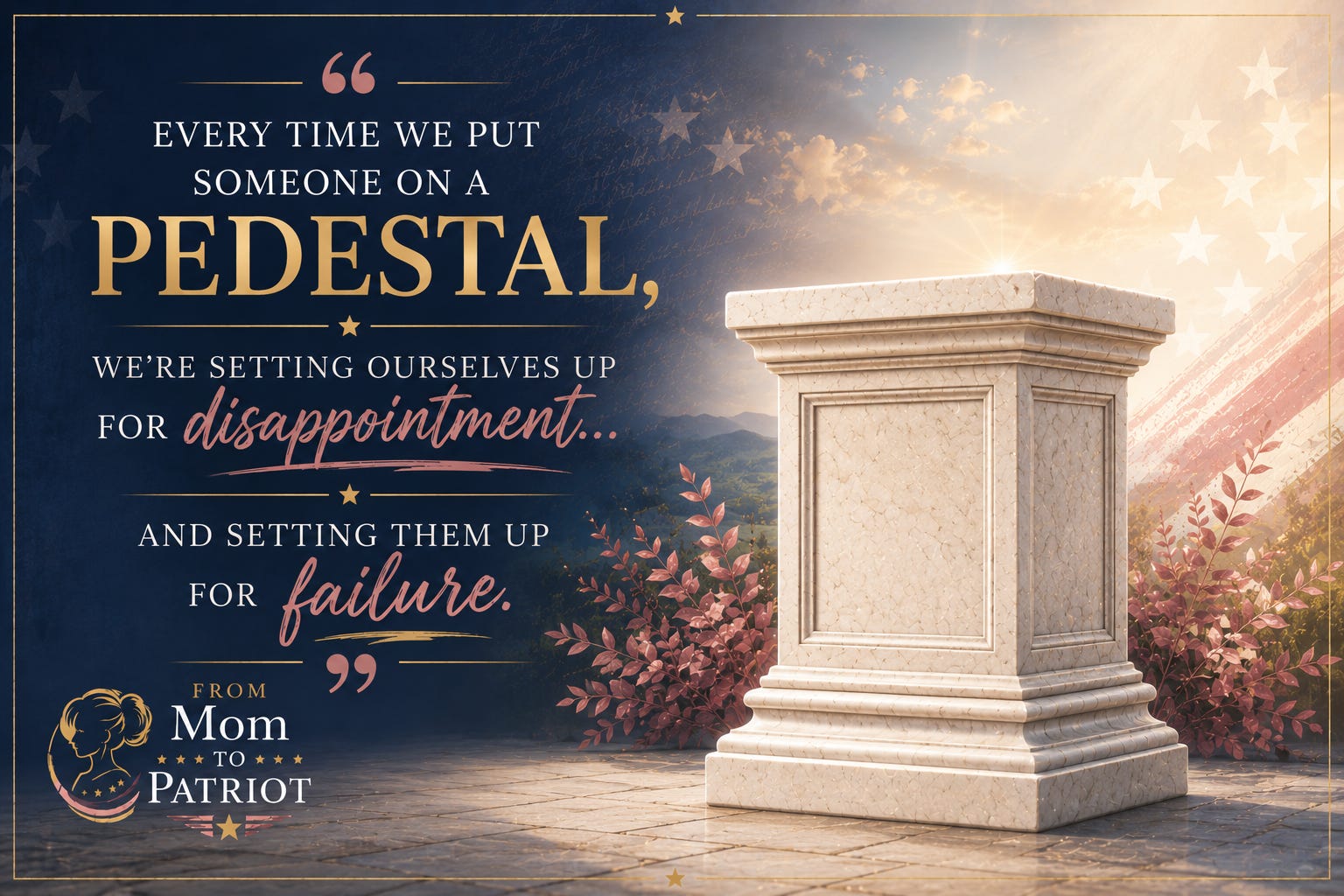
Every time we put someone on one, we’re setting ourselves up for disappointment... and setting them up for failure.
The person on the pedestal can never live up to the image we’ve created.
And when reality inevitably reminds us they’re human, it isn’t just their reputation that suffers.
Our trust does too.
Maybe that’s why God has always chosen imperfect people to accomplish extraordinary things.
Not so we’d put our faith in them...
But so we’d learn to place our faith beyond them.
Leaders can inspire us.
Mentors can sharpen us.
Teachers can equip us.
But none of them were ever meant to carry the weight of our hope.
That place was reserved for only One.
So very true. Thank you for sharing.