


There was a time—not that long ago—when political differences could quietly sit beneath the surface.
You knew where people stood. They knew where you stood.
But it didn’t define every interaction.
Then 2020 happened.
And suddenly, everything that had been simmering… boiled over.
Conversations turned into arguments.
Disagreements turned into distance.
And for many of us, relationships that once felt easy became… complicated.
Families stopped talking.
Friendships fractured.
And even now—years later—we’re still feeling the ripple effects.
A Personal Realization
This isn’t just something I’ve observed.
It’s something I’ve lived.
Like many of you, we had disagreements within our own family during COVID. Strong ones. The kind that don’t just stay in the realm of “ideas,” but start to affect the relationship itself.
For a season, it created distance.
And if I’m being honest, at the time, I cared a lot about being right. About making the case. About helping them see things the way I saw them.
But when the emotion settled… and I could think a little more clearly… something shifted.
I realized something I didn’t expect:
Maintaining the relationship was more important—and more impactful—than winning the argument.
That didn’t mean I changed my convictions.
It meant I changed my priority.
And over time, that decision has mattered.
Things aren’t exactly the way they used to be—but they’re better.
There’s less distance.
More respect.
And a willingness to coexist, even with real differences.
And honestly… that’s a win.
What Do We Do Now?
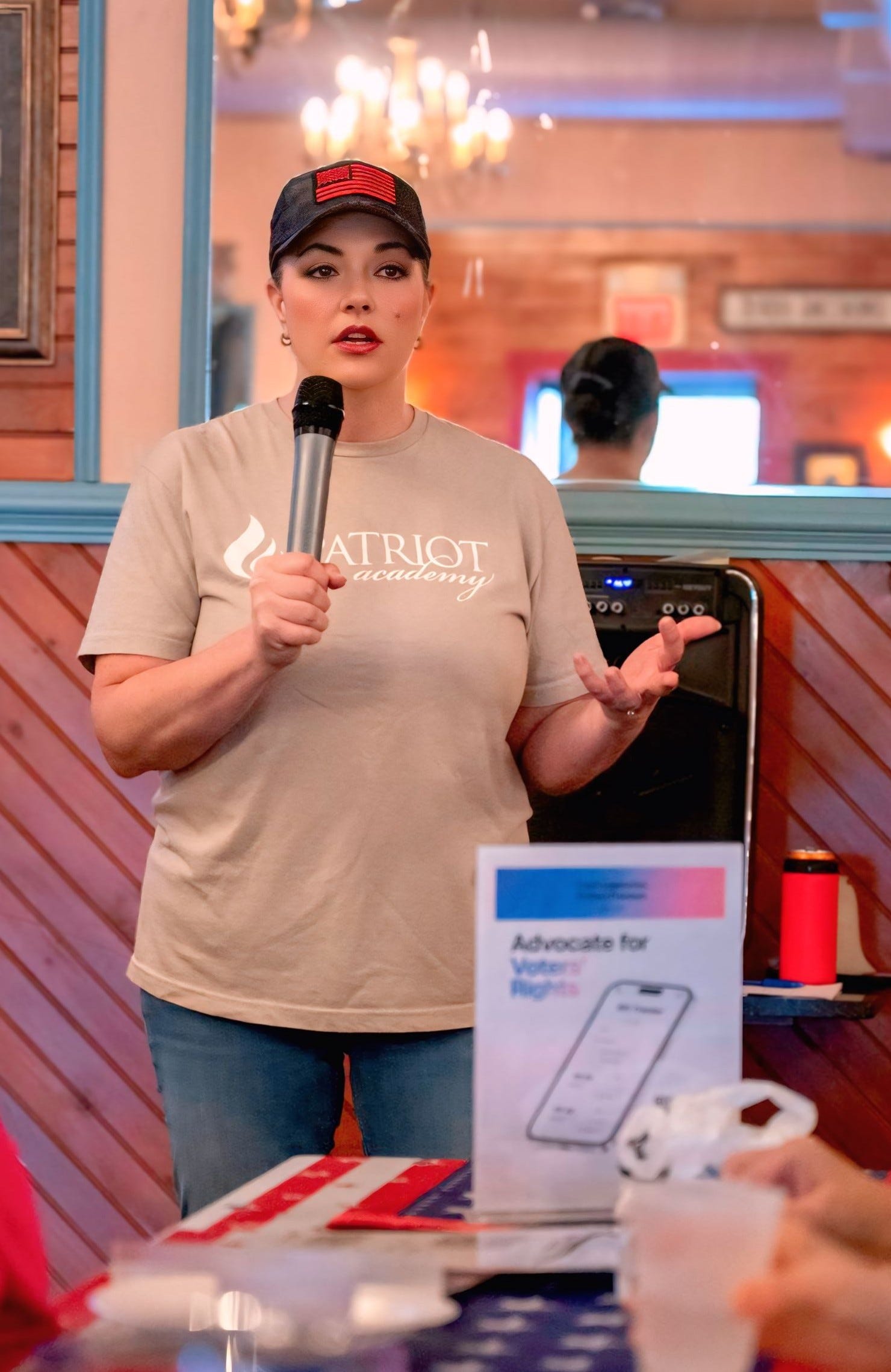
This was actually one of the most meaningful parts of what we talked about together on April 25th.
Because let’s face it—this isn’t theoretical.
Every person reading this has someone in their life they’ve felt this tension with.
So the question becomes:
What do we do with the people who see the world differently than we do?
Here are the three things I shared that day.
1. Love Them Anyway
We’re called to “love thy neighbor.” Not when it’s easy. Not when we agree.
Just… love them.
And love is not the same as agreement.
It doesn’t mean affirming choices or opinions you believe are wrong. It doesn’t mean compromising your convictions.
It means choosing to treat people with dignity anyway.
It means remembering who they are beyond the disagreement.
Because if we reduce people to their opinions, we lose the relationship before we even have the conversation.
2. Ask Questions (and Actually Listen)
If your goal is to influence someone—not just argue with them—you have to understand them first.
And that starts with questions.
Not “gotcha” questions. Not questions designed to trap or prove a point.
But real, honest curiosity:
How did you come to that conclusion?
What experiences shaped your perspective?
What concerns you most about this?
And then… listen.
Not to respond.
Not to win.
But to understand.
Because people are far more open to hearing you when they feel heard first.
3. Find Common Ground
This is where things begin to rebuild.
Because even when people disagree strongly on solutions, they often share similar values underneath.
Family.
Safety.
Freedom.
Opportunity.
When you find that overlap—even a small piece of it—you create a starting point.
A place to stand together instead of across from each other.
And from there, trust begins to grow again.
This Isn’t About “Winning”
We all feel it—that pull to prove our point.
But if winning the argument costs you the relationship…
Was it really worth it?
We’re living in a time where division is easy—and even rewarded.
But unity?
Unity takes intention.
It takes restraint.
It takes humility.
And sometimes it means choosing the relationship… even when you strongly disagree.
Why This Matters More Than Ever
If we’re going to rebuild anything meaningful in this country, it’s not just going to come from policies or elections.
It’s going to come from people.
From relationships that didn’t break—even when they were strained.
From conversations that stayed open—even when they were hard.
From individuals who chose connection over division.
That’s the kind of work that doesn’t always get attention…
But it’s the kind that actually holds everything together.
And If You Missed April 25th…
This was one of those conversations that reminded me how much people are craving a better way forward.
Not more noise.
Not more outrage.
But real, practical ways to navigate the world we’re living in right now—without losing the people we care about in the process.
If you weren’t there, I’d love for you to join me at the next one.
Because these aren’t just ideas.
They’re things we’re learning to live out… together.
Want to Go Deeper?
One of the things I’ve realized through all of this is that navigating hard conversations well requires more than just good intentions.
It requires a foundation.
A framework for understanding not just what we believe… but why we believe it—and how to communicate it in a way that actually brings people in instead of pushing them away.
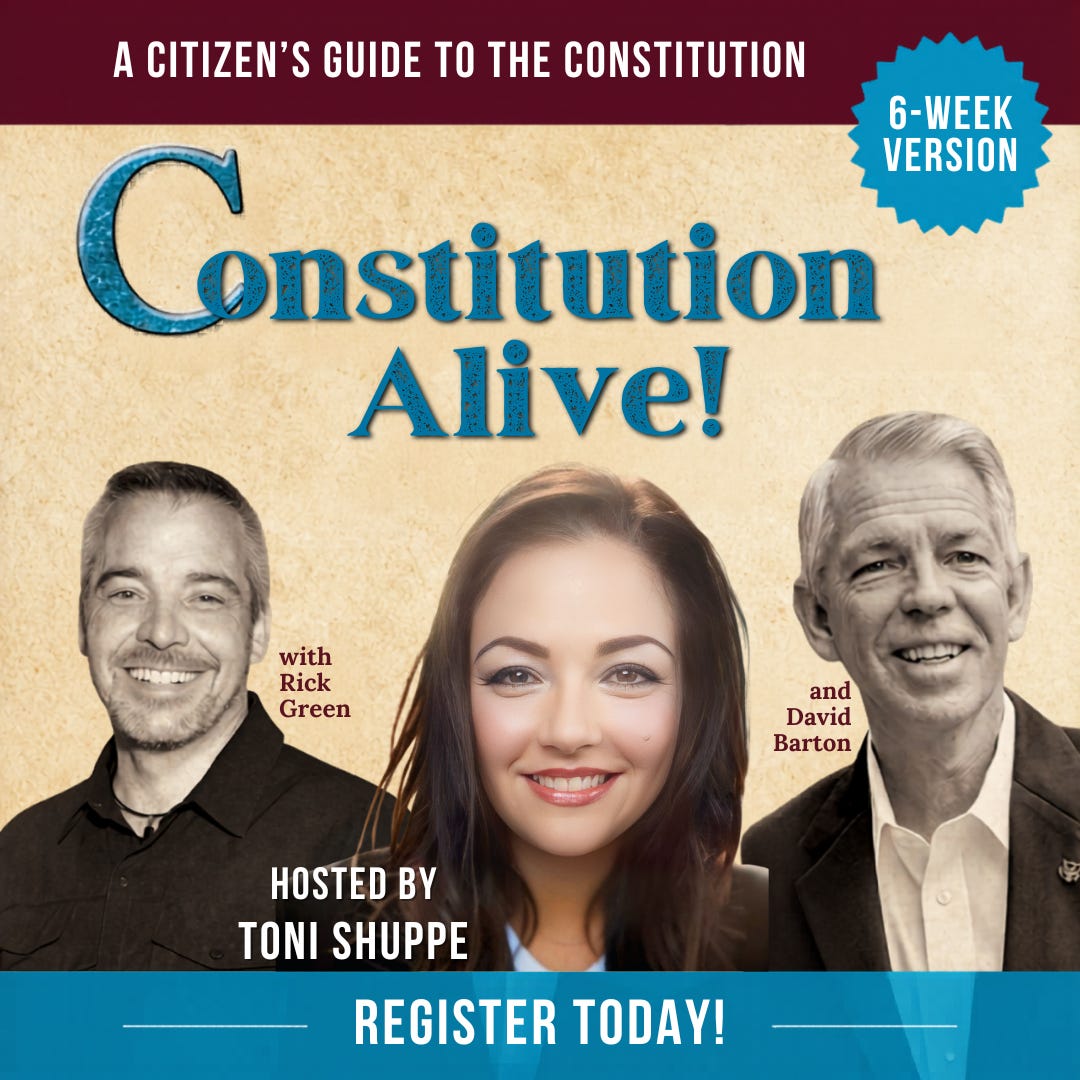
That’s a big part of why I’m hosting another Constitution Alive class.
We’re starting Monday, May 11th at 8pm ET and running a 6-week version of the course together over Zoom (8–10pm each week, with a break for Memorial Day).
This isn’t just about learning history or memorizing documents.
It’s about understanding the principles that shaped this country—and learning how to apply them in real conversations, real relationships, and real life.
Because if we’re going to rebuild anything meaningful…
It starts with people who know how to stand firm in truth and engage others with wisdom.
If that’s something you’ve been looking for, I’d love to have you join us.